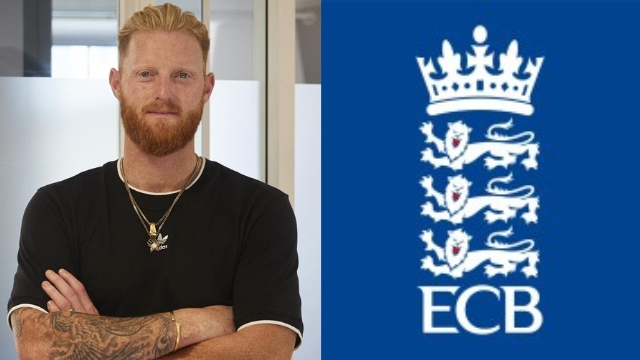
England Test captain Ben Stokes has revealed he has given up alcohol since January 2 as part of a full lifestyle reset during his injury rehabilitation — a decision aimed at achieving peak fitness ahead of this summer’s Ashes series against Australia.
Stokes, 33, will make his return in England’s one-off Test against Zimbabwe at Trent Bridge, following a series of hamstring injuries. This latest recovery phase has been notably more cautious and deliberate, with the all-rounder cutting out alcohol completely to focus on fitness, recovery, and performance longevity.
“After my first major injury, I remember the shock of it, after the initial adrenalin had stopped, thinking, ‘How has this happened? We did have a bit of a drink four or five nights ago, could that have played a part? It wouldn’t have helped,’” Stokes said on the Untapped podcast.
“Then I was like: ‘OK, I need to start changing what I do’. I don’t think I’ll ever be completely sober, but I’ve not had a drink since January 2. I said to myself: ‘Not until I finish my injury rehab and get back on the field’.”
Stokes’ evolving mindset on alcohol and performance
Stokes, who has signed on as an investor and brand partner with CleanCo, a zero-alcohol spirits company, says his past relationship with drinking was often “all or nothing.”
“When I was younger the relationship I had with booze was that I could never see the point of having a couple. It was all or nothing,” he said. “Whereas now I don’t want to get into that state.”
“I never used to worry about having a big one because I didn’t know what a hangover was until I was like 28, but now I understand that alcohol isn’t going to help me perform better.”
Fitness, family, and future
The shift also stems from a growing awareness of how his habits impacted his personal life.
“It used to drive my wife Clare mad that I would just be all or nothing,” Stokes said. “If we’d go for a nice dinner, I never really understood why it was so frustrating to her, but all she wanted to do is share a glass of wine with her husband.”
Stokes admits that the modern game’s intensity has changed how players approach their recovery and habits.
“In the 90s and 00s there were unbelievable stories [about drinking]. It’s definitely settled down a lot over the years,” he said. “The game is more demanding on the body than it was… it’s just impossible for the body to withstand all of that anyway without the downsides of what a couple of beers at the end of the day can do to you for the next day.”
Rehab, recommitment, and the Ashes
Stokes has restructured his entire approach to off-field preparation, emphasizing gym work, conditioning, and nutrition as he builds toward England’s 2025 Ashes campaign. After rushing previous comebacks, this rehabilitation period has been about discipline and long-term performance.
“I think the day I wake up and can’t be bothered to do the training programme is getting towards that time you don’t really want it any more,” he said. “But I haven’t got any interest in stopping.”
“It’s just getting harder to do everything. Hence why now I feel like I have to work so much harder away from the field… But I’ll keep going as long as I possibly can.”
A new culture in elite cricket
Stokes’ decision reflects a growing shift among international cricketers who are prioritizing performance, recovery, and mental clarity over longstanding traditions like post-match drinks. Like Travis Head of Australia, who also quit drinking for performance reasons, Stokes is part of a new generation redefining the off-field norms in elite cricket.
As England prepare to renew their Ashes rivalry with Australia, their captain’s lifestyle overhaul signals not a winding down—but a recommitment to excellence. His goal is clear: to stay fit, lead by example, and keep performing at the highest level for as long as possible.