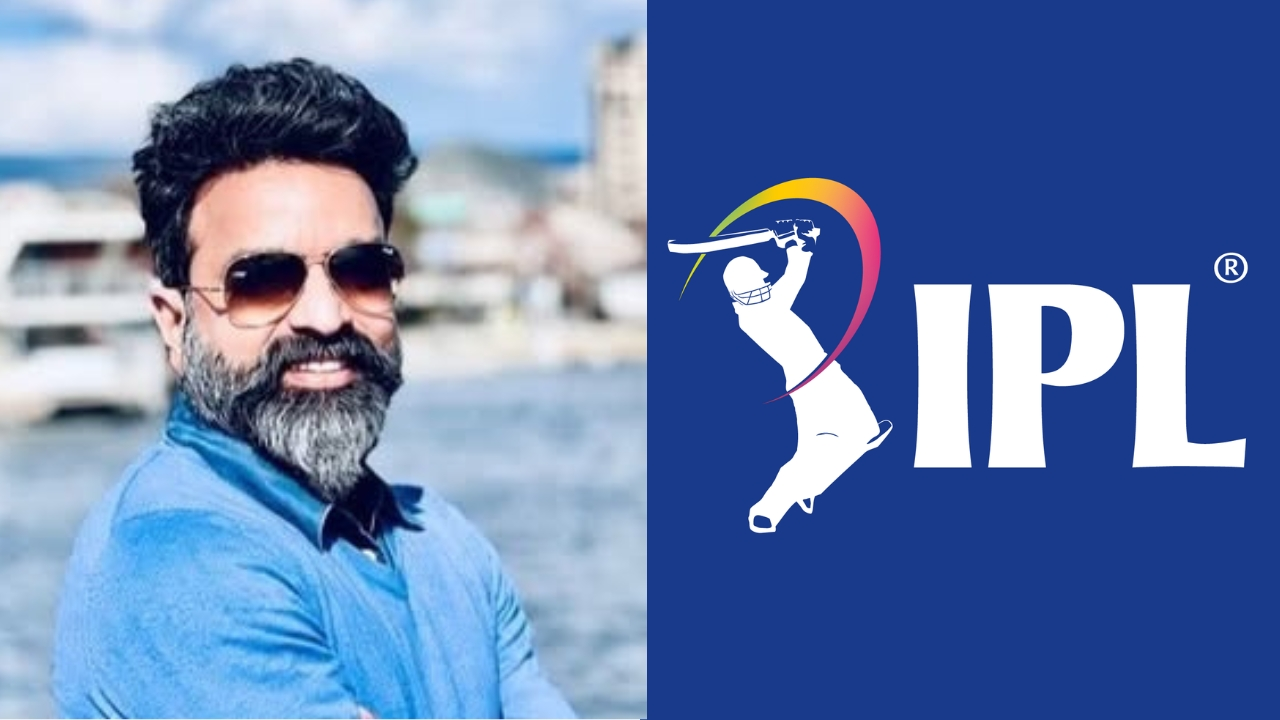
As the rise of franchise cricket continues to reshape the global landscape of the sport, Indian Premier League (IPL) chairman Arun Dhumal has issued a strong call to action: it’s time for the global cricketing ecosystem to pivot toward the T20 league format and move away from the traditional dominance of bilateral series.
Franchise cricket is the future, says Dhumal
With fans and broadcasters increasingly gravitating toward fast-paced, high-stakes league formats, Dhumal believes the future of the game lies in T20 tournaments—and that cricket’s top decision-makers must adapt quickly.
“Cricket is shifting its flavour towards franchise-based formats. If that is the case, we have to prepare ourselves for that situation,” Dhumal said in a recent interview with Economic Times.
At the heart of this shift is the IPL, a behemoth in global cricket that has inspired the launch of several other leagues including Australia’s Big Bash League, South Africa’s SA20, the UAE’s ILT20, England’s The Hundred, and Major League Cricket in the United States. Many of these are backed by IPL franchise owners such as Reliance, GMR, and Sun TV Network.
Rethinking the international schedule
Currently, the ICC’s Future Tours Programme (FTP) centres around bilateral series and ICC events, with the IPL enjoying the only dedicated window. But Dhumal argues that the entire scheduling structure must be reimagined to reflect modern realities and fan preferences.
“So, if that has to happen, the entire scheduling needs to be aligned around these T20 leagues—be it the IPL, Big Bash League, The Hundred, SA20, MLC, or ILT20. At some point, we may need to sit around the table with all stakeholders and decide what should be prioritised.”
This shift, Dhumal says, is also essential for cricket’s global growth. Leagues have helped expand the game’s reach to untapped markets like the US and Europe, creating new audiences and commercial opportunities.
“Based on what weather conditions work best for each country, you schedule your leagues accordingly and then plan the bilateral series around them.”
IPL expansion tied to global calendar and climate challenges
The IPL, currently in a 10-team format with 74 matches, had initially considered expanding to 84 games. However, logistical and climate-related constraints, as well as the rigid international calendar, have forced the league to hold off.
“There is no point in adding new teams to the IPL when we are not yet able to optimise the existing structure with 10 teams,” Dhumal explained.
He also pointed to shifting weather patterns—like this year’s early arrival of the Southwest monsoon—as complicating factors in scheduling the tournament within its traditional April-May window.
India’s economic clout and IPL’s unmatched value
The IPL’s dominance isn’t just sporting—it’s economic. Media rights for the 2023–2027 cycle fetched an eye-popping ₹48,390 crore, underscoring the league’s financial might. That strength stands in contrast to bilateral cricket, which many boards are struggling to monetise.
Dhumal emphasised the league’s national importance, saying:
“The IPL is the number one ‘Make in India’ property post-Independence.”
Given India’s pivotal role in the global cricket economy—generating over 70% of ICC revenues—Dhumal’s comments carry weight. He noted that many cricket boards now rely on India to play bilateral series to boost their own broadcast revenues.
Despite a temporary disruption in viewership due to a one-week suspension caused by geopolitical tensions between India and Pakistan, IPL continues to thrive across both television and digital platforms.
A global conversation, urgently needed
Dhumal’s comments reflect a growing consensus among cricket’s commercial stakeholders: the old models are breaking down, and franchise cricket is driving the sport’s future.
With a crowded global schedule, shifting climate realities, and new markets emerging, the need for a collective reassessment of cricket’s structure is becoming increasingly urgent—especially as the financial and fan momentum continues to swing toward the T20 league model.