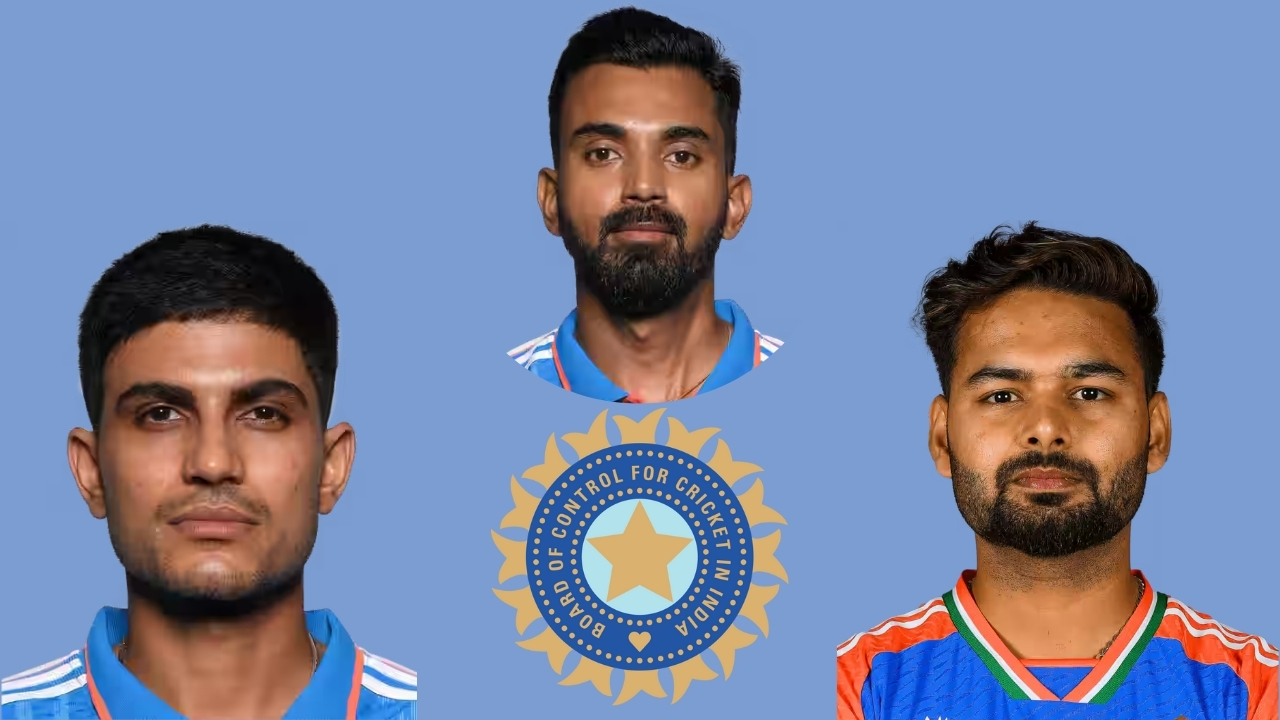
With Indian cricket entering a new era under the leadership of Shubman Gill and Rishabh Pant, following the retirements of stalwarts like Virat Kohli, Rohit Sharma, and Ravichandran Ashwin, the Ajit Agarkar-led selection committee has made clear its intention to focus on developing the next generation of stars.
But the fast-paced transition hasn’t sat entirely well with everyone — including seasoned batter and wicketkeeper KL Rahul, who remains a key part of the Indian Test setup but finds himself questioning some of the mindset shifts behind the scenes.
Rahul: proving yourself isn’t the problem — but decision-makers have short memories
Speaking to Nasser Hussain on Sky Cricket, Rahul opened up about the pressure of constantly having to reaffirm one’s place, something he acknowledges is inherent to life as a professional athlete.
“I don’t mind having to prove himself. I think that’s how sports go. You never settle. And it’s just not for me, it’s for every person who plays a sport. You have to always perform, every tournament, every game, and that’s the challenge of being an international athlete. I see the same amount of competition for English, Aussie, or Kiwi players.”
While Rahul embraces the challenge, he was candid about a deeper frustration — the perceived short-term memory of selectors and decision-makers when it comes to a player’s recent performances.
“That’s not what’s hard. The hard part is that people who make decisions seem to forget what a player has done in the recent tournament. That has been a little bit of a challenge for me.”
‘Why are you thinking about the next youngster already?’
With the conclusion of his IPL campaign and India’s next ODI assignment still unclear, Rahul pointed to the long gaps between international fixtures as a factor that fuels speculative commentary and premature transitions.
“I don’t know when the next ODI series will be, but by the time the English summer gets over, which could be about five (three) months, you see people writing and commenting that we need to look for players for the 2027 World Cup or the next World Cup after. And sometimes, as a player, you sit back and think, ‘why should there be a change when something’s working for you? Why are you thinking about the next youngster already?’”
Rahul made it clear he doesn’t view this situation as a personal obstacle — but rather as something systemic.
“But I don’t think it’s a challenge for me. It’s for everybody else.”
A spotlight on cricket’s generational churn
KL Rahul’s comments reflect a broader conversation in Indian cricket — balancing the urgency to groom future stars with the need to recognize and reward current performers. As selectors and fans look ahead to major tournaments like the 2027 World Cup, players like Rahul are left navigating the delicate intersection of performance, perception, and timing.
His words land as both a personal reflection and a subtle call to re-evaluate how quickly cricket’s decision-makers shift focus — and whether continuity is being sacrificed in the name of planning ahead.